Branding Trends 2026: What UK Businesses Need to Know to Stay Relevant
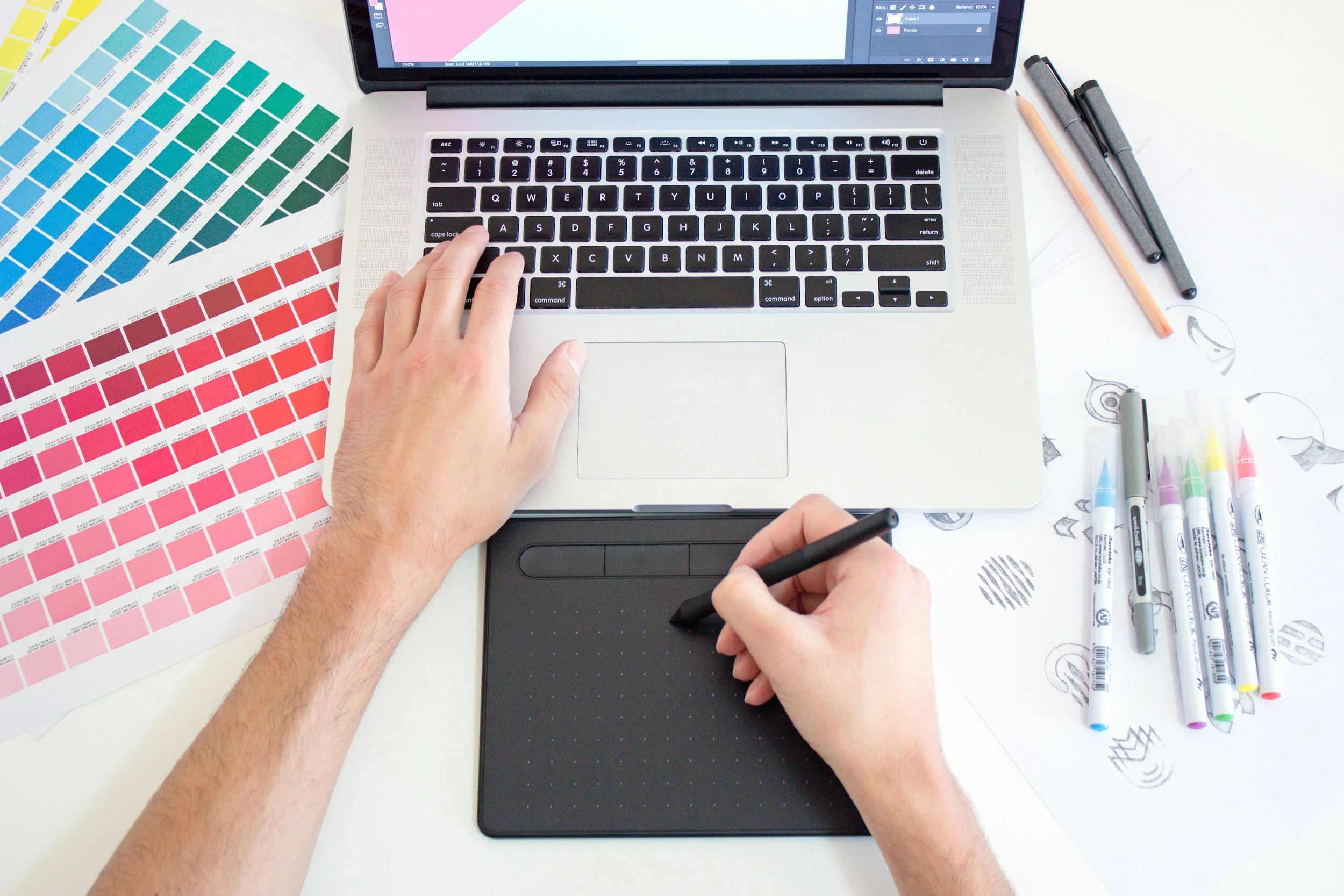
The branding landscape is changing faster than ever. In 2026, the polished, algorithm-friendly aesthetics that dominated the early 2025s are giving way to something more human, expressive, and deliberately imperfect. For UK businesses—whether you’re a growing SME, an established family brand, or a startup looking to scale—the question isn’t just “what looks good”, but “what feels real, trustworthy, and memorable in a world saturated with AI-generated content?”

At Bullamore, we help brands cut through the noise with clear strategy and purposeful design. Here are the key branding trends shaping 2026, and what they mean for your business.

1. The Human Touch: Imperfection Becomes a Strength

After years of ultra-smooth gradients and perfect symmetry, audiences are craving signs of humanity. In 2026, expect to see grainy textures, uneven hand-drawn lines, slightly wobbly type, and naive doodles that look like they were sketched on a napkin during a real conversation.

Why it matters: When everything can be generated perfectly in seconds, imperfections signal authenticity. They say, “A real person made this, and they care.”

Action for UK businesses: Audit your current brand assets. Replace overly slick stock photography with images that show real texture or candid moments. Consider commissioning hand-drawn elements for packaging, social media assets, or your website hero section.

2. Maximalism & Controlled Chaos

Minimalism isn’t dead, but it’s no longer the only option. 2026 sees a confident return to layering, clashing colours, expressive typography, and collage-style compositions. Think rich jewel tones next to neons, multiple fonts in one design, and deliberate visual density that invites the eye to linger.

Why it matters: In a sea of clean sans-serif logos and beige websites, bold, energetic design grabs attention and signals personality.

Action for UK businesses: Don’t be afraid to layer patterns, textures and type in your social media graphics or packaging. The key is intentionality—chaos should feel curated, not accidental. A good brand strategist can help you find the sweet spot between bold and overwhelming.

3. Adaptive & Dynamic Brand Identities

Static logos are starting to feel dated. In 2026, forward-thinking brands are adopting identities that move, adapt, and personalise. This might mean a logo that subtly shifts shape for different products, a wordmark that animates on digital touchpoints, or colours and patterns that change based on season or campaign.

Why it matters: Dynamic elements keep a brand feeling fresh and modern without needing a full redesign every few years.

Action for UK businesses: Start small: create variations of your logo (stacked vs horizontal, full colour vs monochrome, animated version for video intros). Ensure your brand guidelines allow flexibility so your identity can evolve with your business.

4. AI-Human Hybrid: Using Tools Without Losing Soul

AI isn’t the enemy—it’s a powerful assistant. The smartest brands in 2026 will use AI for research, ideation, mock-ups, and repetitive tasks, then layer human creativity, emotion, and strategic thinking on top.

Why it matters: Consumers can spot soulless AI output a mile away. Brands that combine efficiency with genuine human insight build deeper trust.

Action for UK businesses: Ask your agency or designer: “How much of this is AI-generated, and where did human strategy come in?” A good partner will be transparent and proud of the human decisions behind the final work.

5. Purpose-Driven Storytelling with Emotional Depth

Purpose isn’t a buzzword anymore—it’s table stakes. But in 2026, the difference lies in how authentically and emotionally brands tell their story. Consumers want to feel something: pride, nostalgia, hope, belonging.

Why it matters: UK buyers are increasingly values-driven. Brands that communicate their “why” with vulnerability and consistency convert better and retain loyalty longer.

Action for UK businesses: Dig deeper than generic statements like “we care about sustainability.” Ask: What specific problem do we solve for our customers? How do we make their lives better on a human level? Turn the answers into clear, emotional messaging across your website, social channels, and customer touchpoints.

Why These Trends Matter for UK Businesses in 2026

The UK market is crowded and discerning. Shoppers and B2B buyers alike are bombarded with visual noise every day. Brands that continue to play it safe with generic, overly polished designs risk blending into the background. The winners will be the ones brave enough to show personality, embrace controlled imperfection, and speak directly to real human needs.

Ready to Future-Proof Your Brand?

At Bullamore, we don’t chase trends for the sake of being trendy. We use them strategically to help your brand become clearer, more distinctive, and more profitable. Whether you’re starting from scratch, refreshing an outdated identity, or simply want to make sure your brand feels relevant in 2026, we’d love to have a conversation.

If you’re wondering how these trends could work for your specific business, drop us a message. We’ll ask the right questions, listen carefully, and help you build a brand that doesn’t just look good—it performs.

Get in Touch →

CONTACT US

Let’s create something unmistakably yours.

Previous
Previous

Why I'm Already Tired of AI-Generated Images on Small Business Social Media in 2026

Next
Next

How Much Does Brand Identity Design Cost in the UK? A 2026 Guide