Why the "Boring" Details Matter: Closing the Gap Between Digital and Physical Branding in 2026
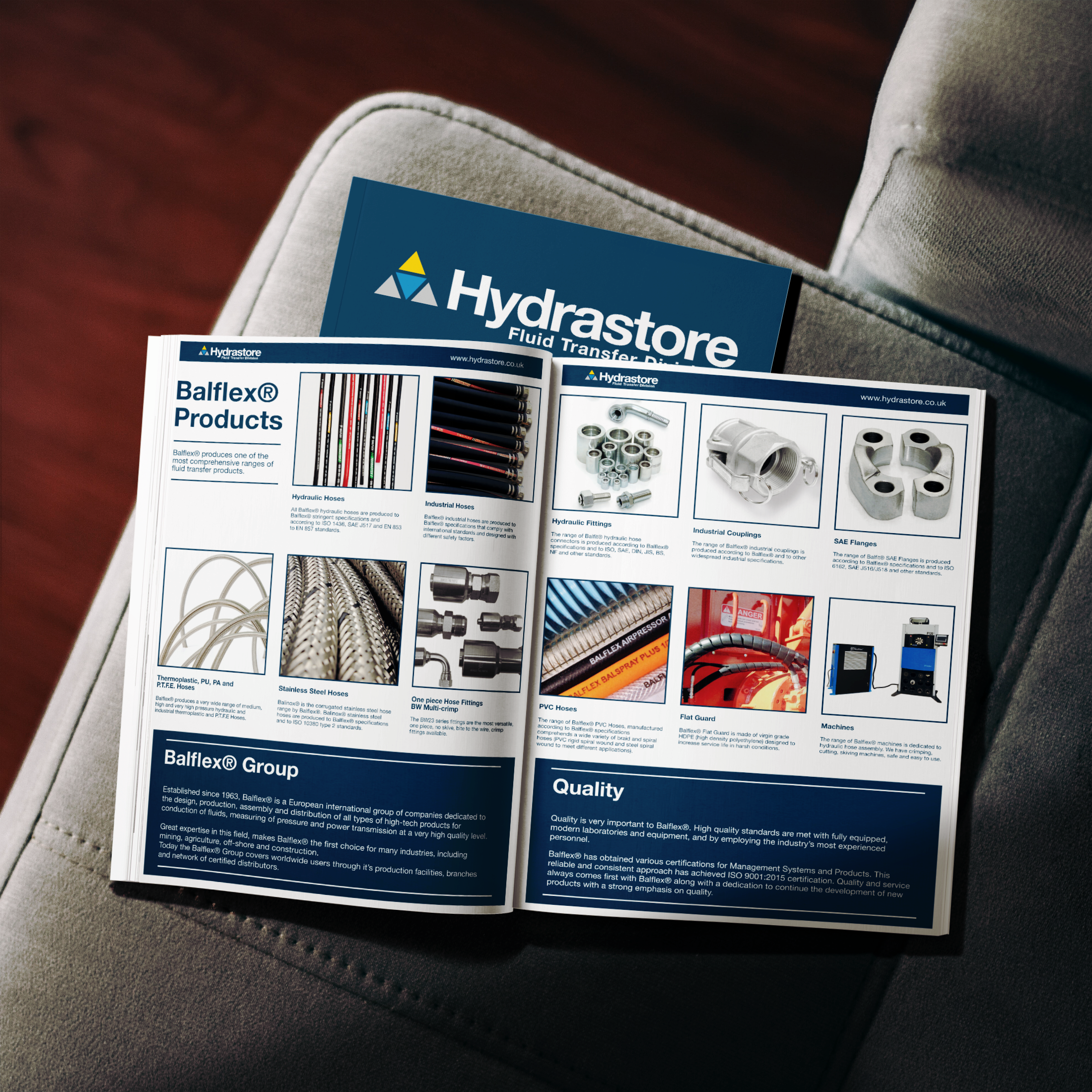
Most business owners focus on their digital presence first—websites, social media, and email headers.
While these are critical first touchpoints, they are only half the picture.
A common mistake is the "physical disconnect," where a premium, minimalist website is undermined by a sloppy Word document proposal or a cheap-feeling brochure.
This mismatch breaks the professional spell; when your online brand promises quality but your offline materials look rushed, trust drops instantly.
Consistency across every touchpoint—digital and physical—is what builds real credibility and closes deals.
When your invoices, packaging, and print materials match your digital aesthetic, it signals that you care about the details.
This "haptic" experience—the tangible feel of quality paper or a well-designed document—sticks in the mind far longer than a screen.
For UK businesses, bridging this gap is a low-cost way to drive results: it reduces customer confusion, justifies higher rates, and turns a good digital impression into a solid, long-term relationship.