I Ran Restaurants Before I Designed Brands. That Order Matters.
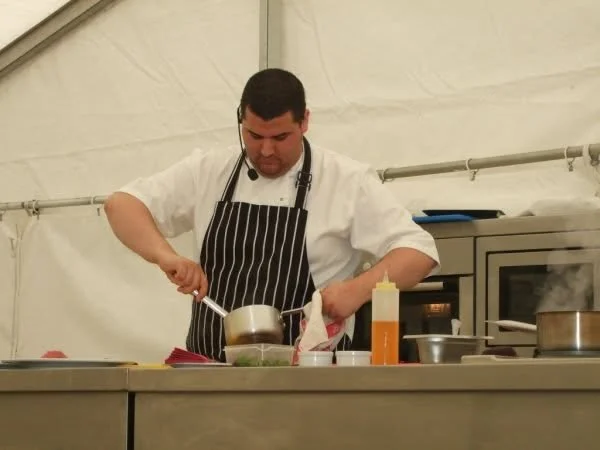
I came to branding from a slightly different direction.
Before I was designing identities, I spent around fifteen years working in kitchens, across award-winning restaurants and head chef and management roles. I eventually owned a restaurant of my own for three years, which earned recognition in the Michelin Guide, before co-owning another for three years where we maintained that recognition.
Later, I opened a Roman-style pizza shop and deli. Different food, different price point, different audience.
None of that is traditional design experience. But it taught me a lot about businesses, customers and the relationship between what you sell and how people perceive its value.
That experience still influences the way I approach branding today.
The room did as much work as the food
Running a restaurant teaches you quickly that the food is only part of what someone is paying for.
You learn what happens behind the pass when service goes wrong. You learn what it costs, financially and mentally, to maintain a standard every night rather than just when someone is watching. And you learn that customers experience the whole business, not just the product that eventually reaches the table.
Here's the simplest version of that lesson:
I couldn't have charged what I did for a meal if the restaurant had looked like a café.
The food wouldn't have changed. The ingredients wouldn't have changed. The work in the kitchen wouldn't have changed.
But the perception of the experience would have been completely different.
The room, the tables, the lighting, the service, the menus and all the small details around the food were telling customers what to expect before they had taken a bite.
That's not decoration. It's positioning made physical.
Not every brand needs the same room
The pizza shop taught me the same lesson from the other direction.
It wasn't fine dining. It had a different price point, a different customer and a completely different atmosphere. Trying to make it look like one of my previous restaurants would have made no sense.
But that didn't mean presentation stopped mattering.
A pizza shop doesn't need white tablecloths to create trust. It needs its own version of the same thing: an identity that feels right for the business, the audience and the experience you're promising.
Get that relationship wrong in either direction and it becomes noticeable. Too polished for a casual proposition can feel disconnected. Too casual for a premium proposition can undermine what you're asking people to pay.
The design needs to match the promise.
That's one reason I don't think good branding can be reduced to making something look attractive. The visual identity has to make sense in the context of the business behind it.
Every business has its own version of the room
This is something I now look for in every project.
For a restaurant, the room is literal. For another business, it might be a website, a shopfront, a sales presentation, a proposal or even the way someone answers the phone.
Those things create expectations.
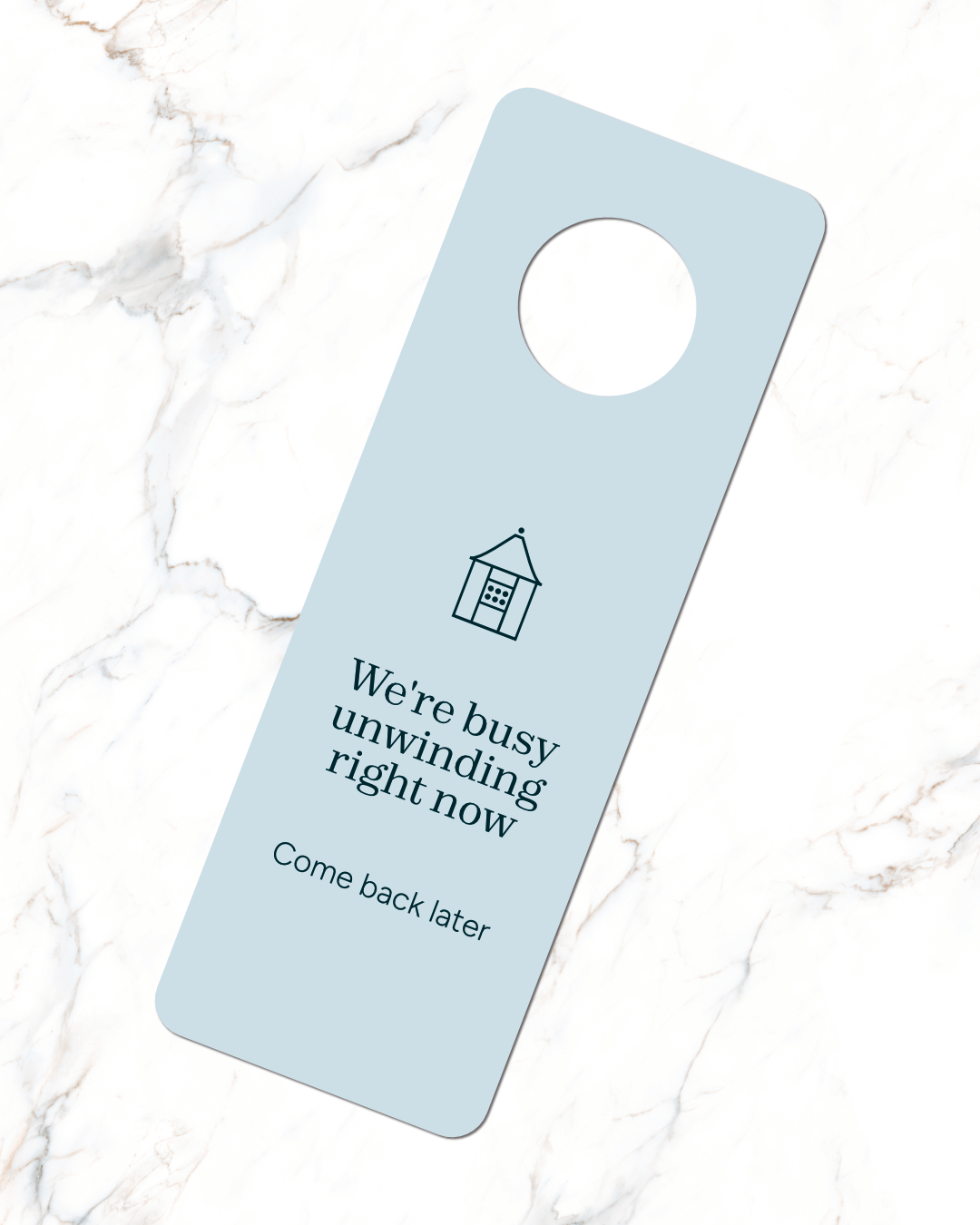
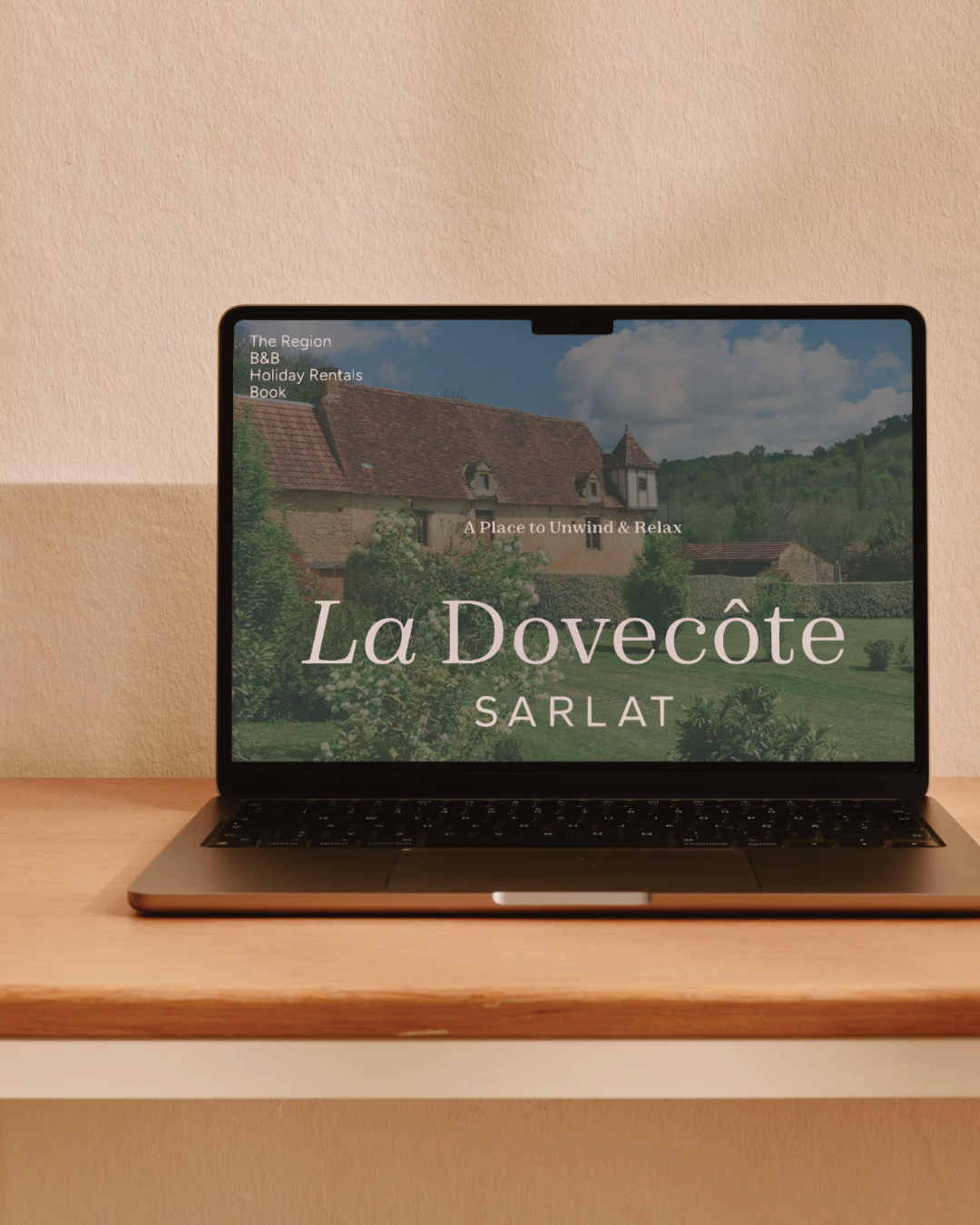
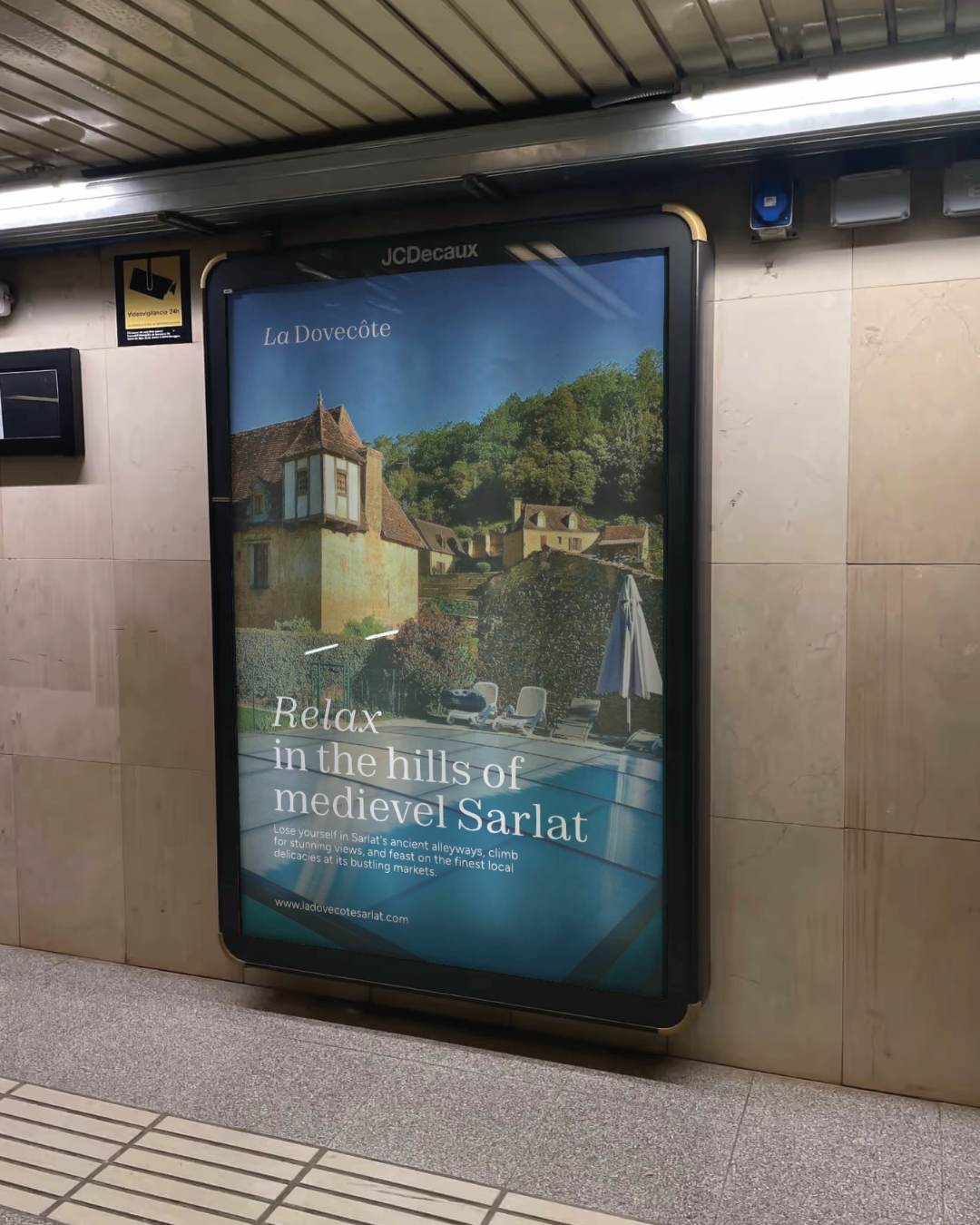
When I worked on La Dovecôte, a holiday let and B&B in Sarlat, the identity was built around details that already existed within the property, including the dove house that gives the business its name.
The warm, natural direction wasn't chosen simply because it looked appropriate for hospitality. It helped communicate the character of the place and the kind of experience a guest could expect.
Different business. Different room. Same principle.
Understand what the business is promising, then make sure the brand supports it.

Branding changes the context around the product
This is probably the biggest lesson I brought with me from hospitality.
Good branding doesn't make a product better.
It changes the context in which people experience it.
That matters because customers rarely judge something in isolation. They see the website before they buy. They read the menu before they taste the food. They receive the proposal before they sign the contract. They see the packaging before they open the product.
Every one of those moments contributes to their perception of the business.
If the product is strong but everything around it feels careless, there's a disconnect.
If the presentation suggests a level of quality that the business can't deliver, there's a different kind of disconnect.
The best brands sit somewhere in the middle. What people see, hear and experience feels consistent with what they're actually going to get.
That's how I approach brand design now
My background in hospitality doesn't mean I approach every branding project like a restaurant.
It means I tend to think about the business behind the visuals.
Who is the customer? What are they expecting? What are they being asked to believe? What does the business need to communicate before someone has spoken to a member of the team?
Those questions are useful whether I'm working with a restaurant, a startup, a professional service business or an established company that has outgrown its identity.
The visual work comes from that understanding.
A logo matters. Typography matters. Colour matters. But they're more useful when they're solving a problem rather than simply making something look better.
Does your brand match the business you've built?
If the quality of your business has moved on but the way it presents itself hasn't, take a look at my brand identity service or get in touch to start a conversation.