Should Your Brand Follow the Latest Branding Trends?
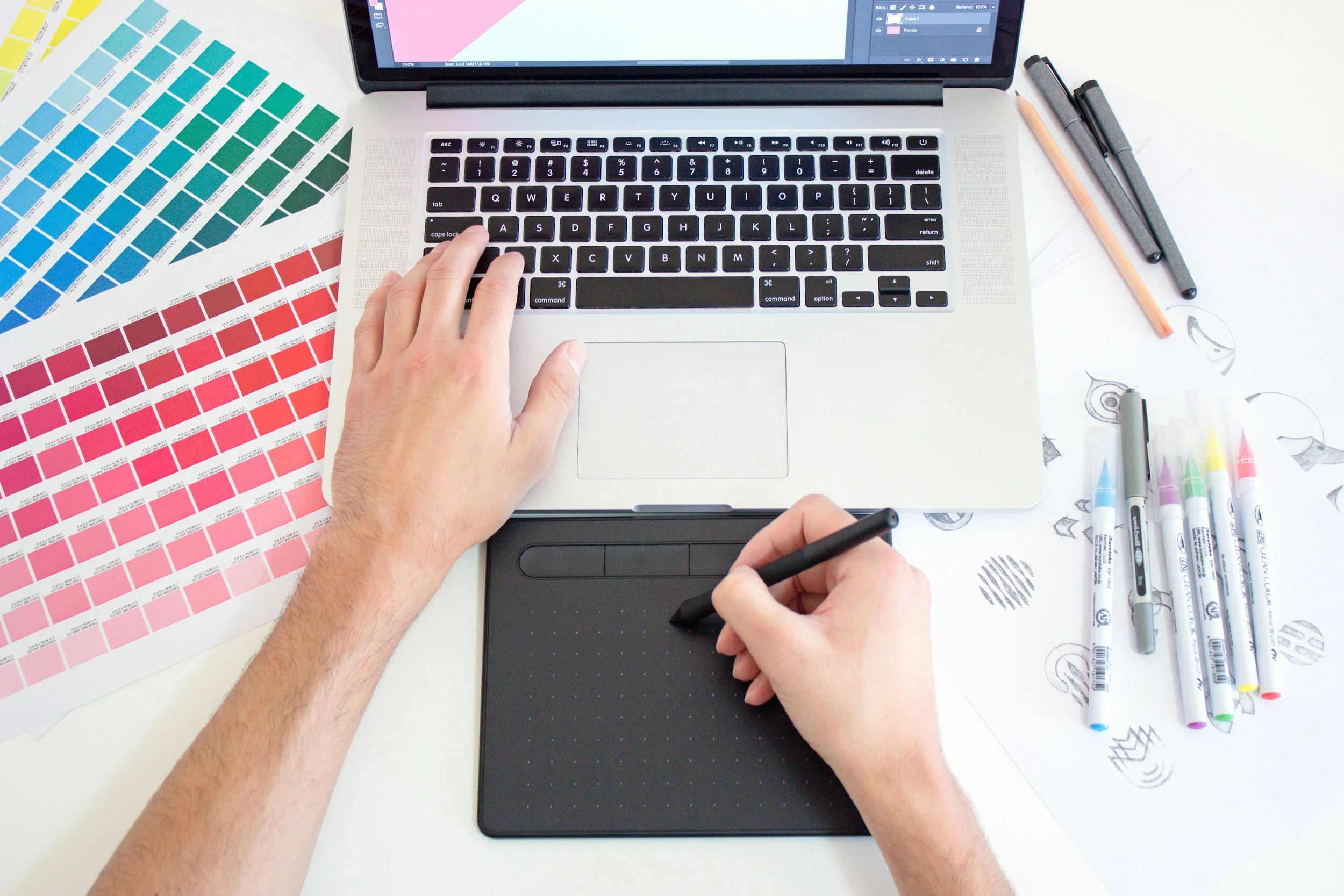
Every year brings a new set of branding trends.
New typefaces become popular. Colour palettes change. Designers rediscover texture, illustration, oversized typography or whatever visual style happens to be circulating at the time.
There's nothing wrong with any of that. Trends can be interesting, and they can give designers new ways to think about visual communication.
The problem starts when a business begins changing its identity simply because something else looks current.
Your brand isn't supposed to look like everyone else's brand this year.
A trend can make your brand look current. It can also make it look dated.
One of the reasons businesses invest in a brand identity is to create something that can last.
That becomes difficult if the identity is built around whatever happens to be fashionable when the project starts.
A visual style might feel fresh today, but if hundreds of businesses are using the same approach, it won't do much to differentiate you. And when the trend passes, you can be left with an identity that feels tied to a particular moment.
That's not to say your brand needs to be boring or completely avoid contemporary design.
It means there's a difference between being current and being fashionable.
A good identity should feel appropriate to the business and the audience first. Whether it's fashionable is secondary.
Your competitors are probably looking at the same trends
This is one of the easiest things to overlook.
If you're seeing a particular branding style everywhere, chances are your competitors are seeing it too.
That can create a strange situation where businesses are all trying to differentiate themselves using the same visual language.
The result is often a collection of websites, social profiles and logos that look professionally designed but are remarkably difficult to tell apart.
That's a branding problem.
Before asking what your brand should look like, it's more useful to ask what it needs to communicate and how you can create something that feels distinctive within your market.
That starts with understanding the business rather than browsing design trends.
AI makes this even more important
The growth of AI-generated imagery and content has made it easier than ever to produce something that looks “polished.”
It has also made generic work easier to produce.
For businesses, that means simply looking professional isn't necessarily enough anymore. If everyone has access to the same tools, templates and visual references, the things that make a brand recognisable become more important.
Your point of view matters, your positioning matters and the way you communicate matters, with the visual identity needing to support those things rather than trying to compensate for their absence.
AI can be useful as part of a designer's process. It can help with exploration, research and efficiency. But it doesn't replace the decisions that make a brand relevant to a particular business and its audience.
So what should you pay attention to?
Instead of asking which branding trends are going to be popular this year, I'd ask a few more useful questions.
Is the brand clear?
Can someone understand what you do, who you're for and what makes you different without having to work it out?
Is it distinctive?
Does the identity give people something they can recognise and remember, or could it belong to any business in your sector?
Is it flexible?
Can the identity work across your website, social media, presentations, print and the other places your business needs to communicate?
Will it still make sense in five years?
Not every element needs to stay exactly the same forever. But your core identity shouldn't need replacing every time the design industry moves on to something new.
Trends have their place
This doesn't mean ignoring contemporary design.
A good designer needs to understand what's happening around them. Trends can provide useful references, challenge established conventions and sometimes reveal a genuine shift in how people communicate.
But there's a difference between using a trend because it solves a problem and using it because you like the way it looks.
The first is design.
The second is decoration.
Sometimes the right choice will be bold typography, expressive colour, texture or something deliberately unconventional. Other times, the right choice will be restraint.
The decision should come from the brand.
Build a brand that belongs to your business
The best brand identities aren't necessarily the ones that look most fashionable when they're launched.
They're the ones that feel like they belong to the business behind them.
They give the business a clear point of view, create recognition and provide a visual system that can be used consistently as the company grows.
That's why I don't start a branding project by asking what's trending.
I start by understanding the business, its audience and what the brand needs to achieve.
The design comes from there.
If you're considering a new identity, take a look at my brand identity work or view the portfolio to see how strategy and visual identity come together in practice.