Why I'm Sticking with Affinity for Brand Design
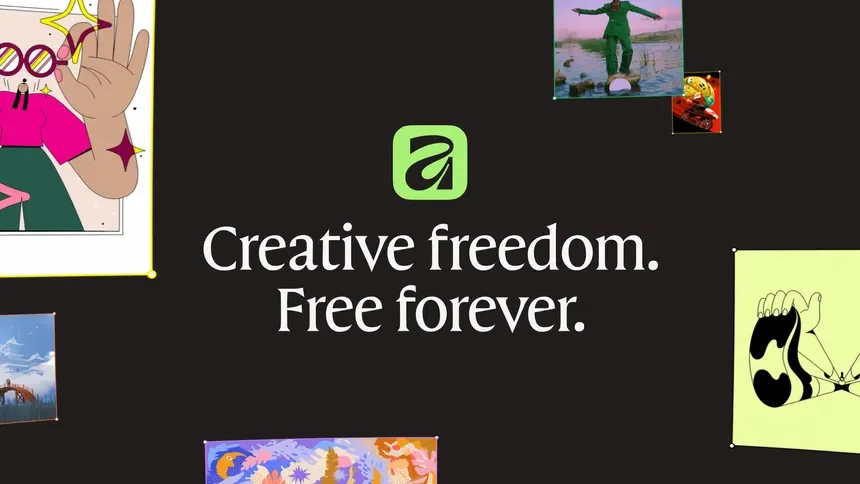
I've used Affinity since the beginning, and it's still the software I choose for much of my brand design work.
For a small independent studio, the appeal has always been fairly straightforward. I want professional tools that are fast, precise and don't get in the way of the work. I don't need a huge software ecosystem for the sake of having one, and I don't want the tools I use to dictate how I work.
The latest version of Affinity makes that decision even easier.
One app for the work I actually do
The biggest change is that Affinity is now a unified app, bringing vector design, photo editing and page layout together rather than separating them into different applications.
For brand identity work, that makes a lot of sense. A typical project can involve everything from drawing and refining a logo to developing typography, preparing imagery, creating layouts and producing brand assets for print and digital use.
Having those capabilities together means less jumping between applications and a workflow that feels more focused on the work rather than the software.
Affinity has also kept the things I liked about it in the first place: it's responsive, precise and built around professional design rather than trying to do everything for everyone.
The Canva connection is useful for clients
The other change that interests me more from a client perspective is the connection between Affinity and Canva.
There's an important distinction here. Canva isn't replacing the design work. It's giving businesses a more accessible way to use the brand once that work has been done.
When I create a visual identity, I'm not just thinking about how it looks when I present it. I'm thinking about what happens afterwards.
Someone in the business will need to create a social post. Someone else might need to update a presentation. A member of the team might need to create a simple document without going back to a designer every time.
That is where Canva can be useful.
The latest Affinity and Canva integration makes it easier to take professionally created brand assets into a system that clients are already familiar with. Canva's new Brand System also allows designers to build brand elements in Affinity and connect them with a Canva Brand Kit.
For me, that's a practical development because it helps bridge the gap between creating a brand and actually using it.
Good branding shouldn't depend on expensive software
This is probably the part of Affinity's development that I find most interesting.
A brand shouldn't become difficult to maintain simply because the person using it isn't a designer.
If I've created a brand identity for a business, I want that business to be able to use it properly after the project is finished. The brand shouldn't look great in the presentation and then fall apart the moment someone needs to make a social graphic.
That means thinking about accessibility and usability as part of the identity itself.
Affinity being free also changes the conversation around access to professional design tools. Canva says the all-new Affinity is now free for everyone, while paid Canva plans provide additional access to Canva's AI features within Affinity.
For designers, that removes one barrier to using professional software. For businesses, it can make the handover and ongoing use of brand assets much more straightforward.
Affinity isn't the reason the work is good
It's worth making one thing clear, though.
Changing software doesn't make someone a better designer.
The quality of a brand identity still comes from understanding the business, making good decisions and knowing how those decisions need to work across different applications and touchpoints.
You can create a poor identity in expensive software just as easily as you can create a good one in affordable software.
The tools matter, but they come second.
For me, Affinity simply gives me the right balance of professional capability, speed and flexibility without adding unnecessary complexity to the process.
That's why I'm sticking with it.
And as the connection between Affinity and Canva develops, I think it becomes even more useful for the way I work: professional design on one side, practical brand use on the other.
If you're looking for a brand identity that works beyond the initial presentation, take a look at the portfolio to see some of the brands I've developed.